Scuba diving in the Galapagos: the complete guide
Everything you need to plan a Galapagos dive trip: the three diving areas, the seasons, liveaboard or day diving, the experience you need, and this week's prices.
The short answer
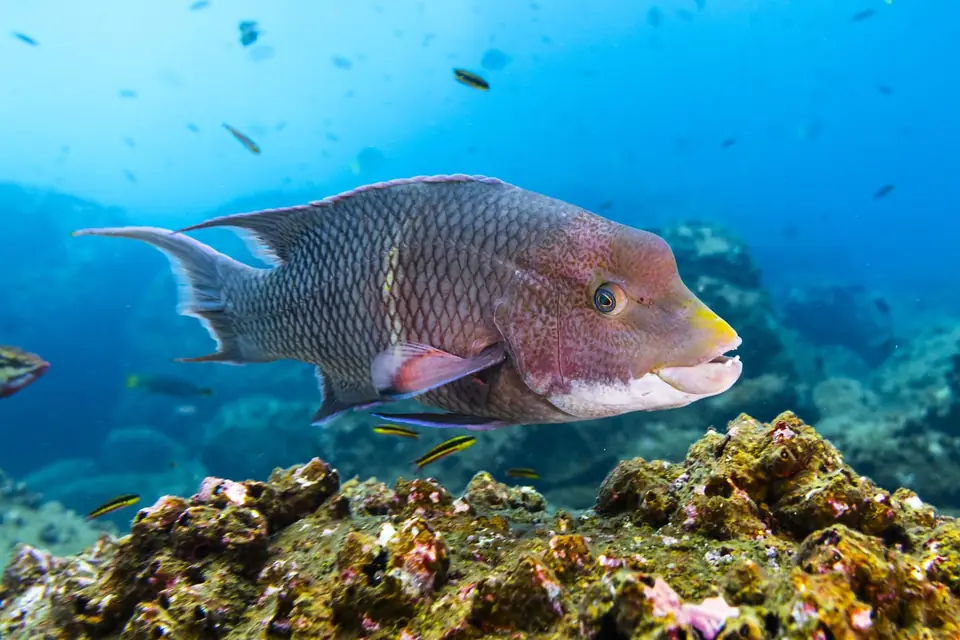
The Galapagos is one of the best places in the world to dive with big animals: schools of hammerhead sharks, Galapagos and silky sharks, whale sharks in season, manta rays, sea lions, turtles and even marine iguanas feeding underwater. Most of the famous diving is in currents and cool water, so it suits divers with some experience, and the best of it, at Darwin and Wolf, can only be reached on a liveaboard.
This guide gives you the whole picture: where you dive, what you see in each season, liveaboard or day diving, the experience you need, and what it costs, with this week's prices from our data.
Where you dive: three areas
1. The central islands
Every dive trip starts here, near Baltra, Santa Cruz and San Cristóbal. The sites are easier and make good check-out dives:
- North Baltra: a sloping reef with white-tip reef sharks, rays, sea lions and reef fish.
- North Seymour channel: a drift with white-tip reef sharks, eagle rays, garden eels and sea lions.
- Punta Carrión (Santa Cruz): a gentle wall with white-tip reef sharks, eagle rays and schools of grunts.
- Cousins Rock (Santiago): ledges covered in black coral, with seahorses, frogfish and sea lions.
- Isla Lobos (San Cristóbal): calm water and playful sea lions.
2. Darwin and Wolf
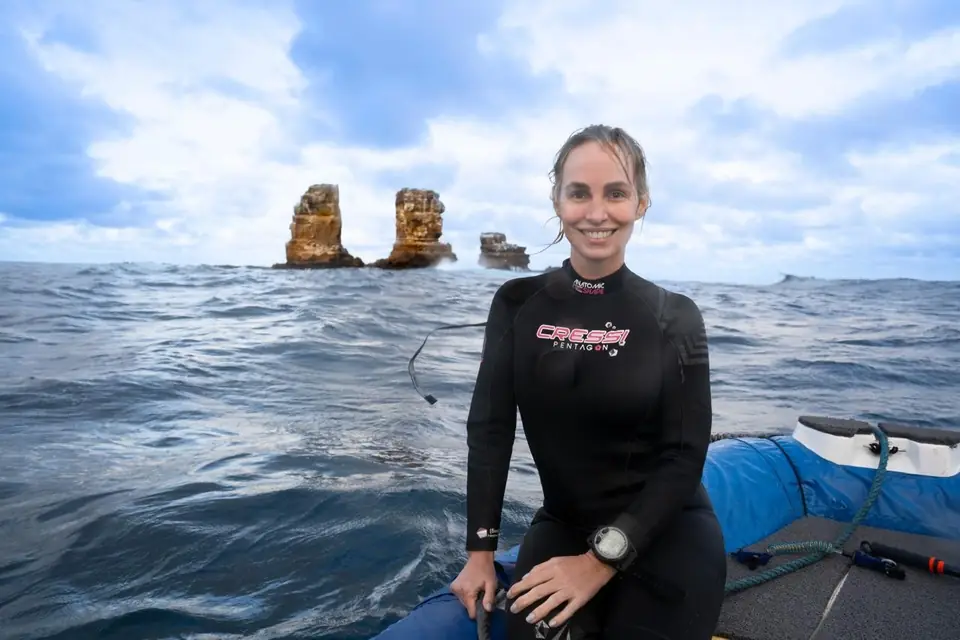
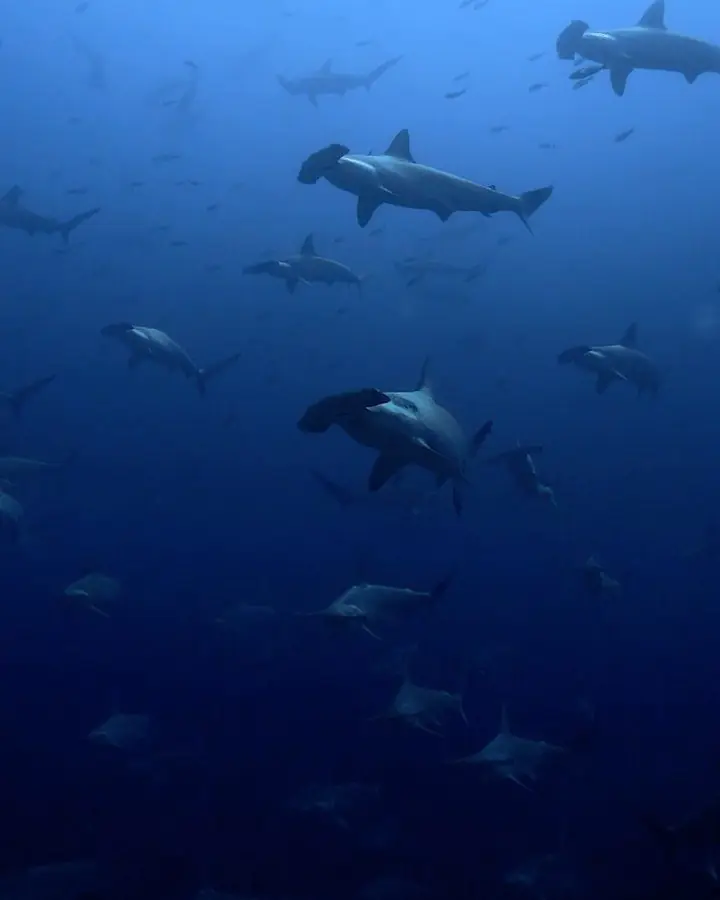
Two small, remote islands in the far north, about 350 km (215 miles) from San Cristóbal. This is where the Galapagos earns its reputation: hammerhead schools all year, Galapagos and silky sharks, dolphins, and whale sharks mostly from July to December. Liveaboards usually spend three to four days here. Read our full Darwin and Wolf guide and the best time to dive Darwin and Wolf.
3. The western islands
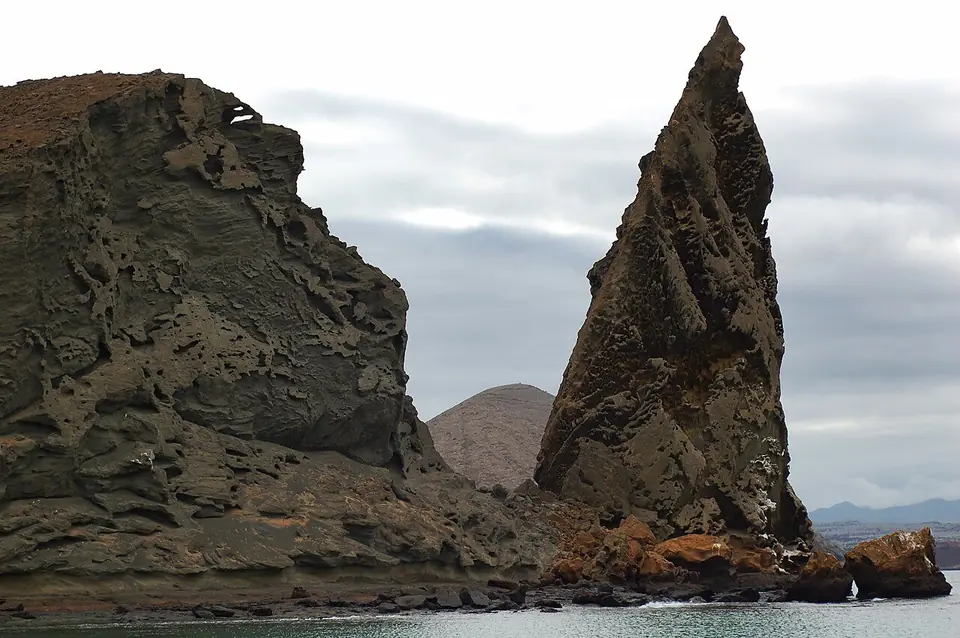
Around Isabela and Fernandina the water is colder and full of nutrients, and the diving is unlike anywhere else:
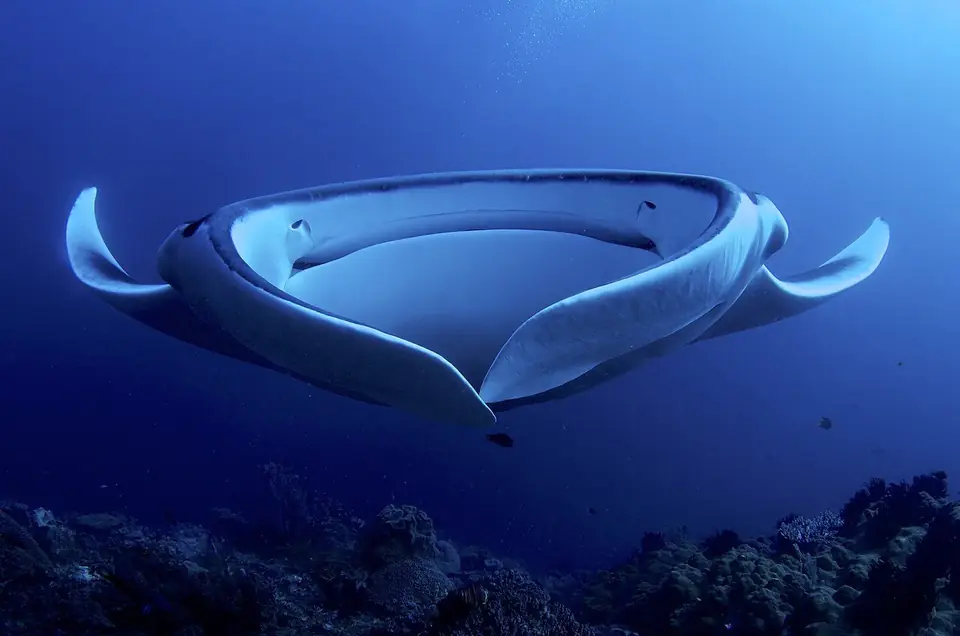
- Cabo Marshall (Isabela): steep volcanic walls with giant manta rays, best from January to May, plus hammerheads, turtles and schooling fish.
- Punta Vicente Roca (Isabela): cold water with mola mola (ocean sunfish), sea turtles, sea lions and seahorses.
- Cabo Douglas (Fernandina): dive with marine iguanas feeding on algae, Galapagos penguins and flightless cormorants.
Not every boat goes west. If mantas, mola mola or marine iguanas are on your list, tell us and we will suggest a route that includes them.
What you see in each season
There is good diving all year, with two seasons:
| Warm season (December–May) | Cool season (June–November) | |
|---|---|---|
| Water | 22–28°C (71–82°F) | 18–23°C (64–73°F), colder thermoclines |
| Seas | Calmer, better light and visibility | Choppier |
| Highlights | Manta rays, hammerheads at Darwin and Wolf | Whale sharks at Darwin, the biggest hammerhead schools |
| Wetsuit | 5 mm is usually enough | 7 mm, hood and gloves |
For the month-by-month detail, see the best time to dive the Galapagos. This season a strong El Niño is warming the water. Read what El Niño means for divers: the recent trip reports from the boats say the diving has been amazing.
Liveaboard or day diving?
- A liveaboard is the only way to reach Darwin and Wolf. Dive itineraries usually last 7 nights, with up to four dives a day, and the boats carry 12 to 16 guests. You sleep on board while the boat crosses at night, so you spend your days in the water.
- Day diving from Santa Cruz or San Cristóbal reaches the central sites only. It suits divers with little time, travellers combining diving with a hotel stay, or divers who are not yet ready for strong currents. We can arrange day dives too: just ask.
Travelling with someone who does not dive? The Calipso runs both diving and naturalist itineraries, and our guide to things to do in the Galapagos covers the rest of the islands.
What experience do you need?
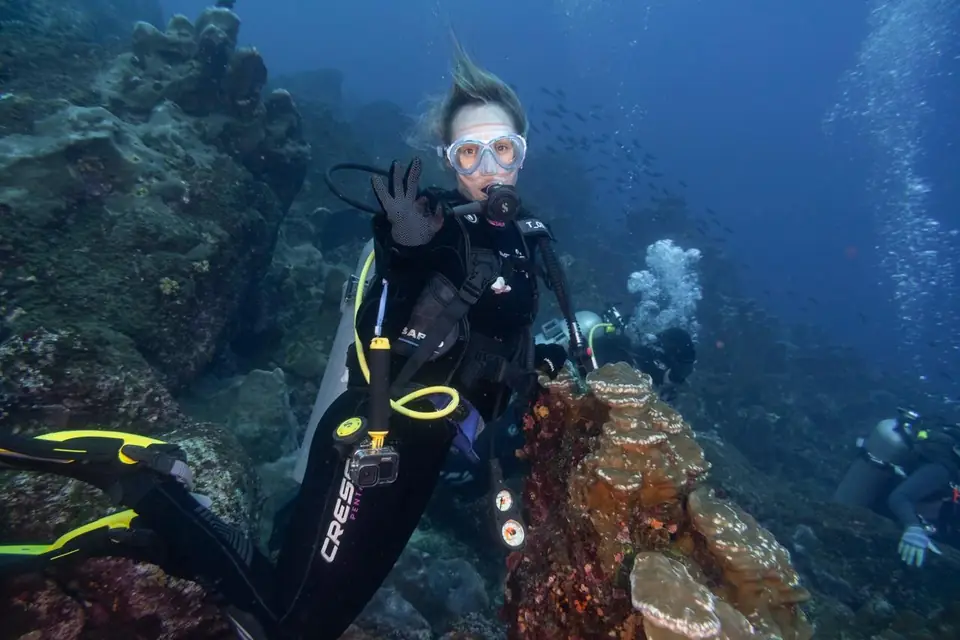
The minimum certification is Open Water, but the Galapagos is not a beginner destination. Expect currents and surge, cool thermoclines, and entries from small boats called pangas, often with a quick descent to stay together as a group. Recent dives and some practice in currents make the trip far more enjoyable. Nitrox is strongly recommended for longer bottom times, and you can usually take the course on board. Not sure you are ready? Tell us your certification and how many dives you have logged, and Samira will suggest the right boat and season.
How much does it cost?
In this week's data (25 November 2026), open spaces on 7-night dive liveaboards start at US$4,500 per person, and the middle price is about US$7,495. These are some of the offers on the coming departures:
| Boat | Departure | Offer price | Regular price |
|---|---|---|---|
| Nortada | 4 Dec 2026 | US$4,389 | US$5,500 |
| Galaxy Diver III | 9 Dec 2026 | US$4,000 | US$6,400 |
| Galaxy Diver II | 16 Dec 2026 | US$6,000 | US$7,500 |
On top of the boat, plan for the National Park fee (US$200 for international visitors), the US$20 Transit Control Card, and flights to the islands. Gear rental and nitrox are usually optional extras. Our guide to what a Galapagos liveaboard really costs has a full example budget. Prices change every week: see this week's deals or all dates and prices.
Choosing your boat
We book ten dive liveaboards, from small, simple boats to the most comfortable in the islands. All of them go to Darwin and Wolf. Compare all the boats, or tell us your dates, budget and what you most want to see, and we will suggest two or three that fit, at no extra cost.
Questions people ask
Is the Galapagos good for beginner divers?
The minimum certification is Open Water, but most Galapagos dives have currents and cool water. Beginners can enjoy the central islands on day dives; for Darwin and Wolf, recent experience and some practice in currents make a big difference.
Can you dive Darwin and Wolf on a day trip?
No. They are about 350 km (215 miles) from San Cristóbal, so they can only be reached on a dive liveaboard, usually on a 7-night itinerary.
When can you see whale sharks in the Galapagos?
Mostly from July to December, at Darwin Island. Hammerheads are at Darwin and Wolf all year, and manta rays are seen most from January to May.
How much does a Galapagos dive trip cost?
In our 25 November 2026 data, 7-night dive liveaboards start at US$4,500 per person, with some December offers from US$4,000. Add the US$200 park fee, the US$20 Transit Control Card and flights.
Boats we recommend for this
- Tiburon Explorer · from US$7,395
- Galapagos Master · from US$5,150
- Nortada · from US$3,780
- Galaxy Diver III · from US$4,000